
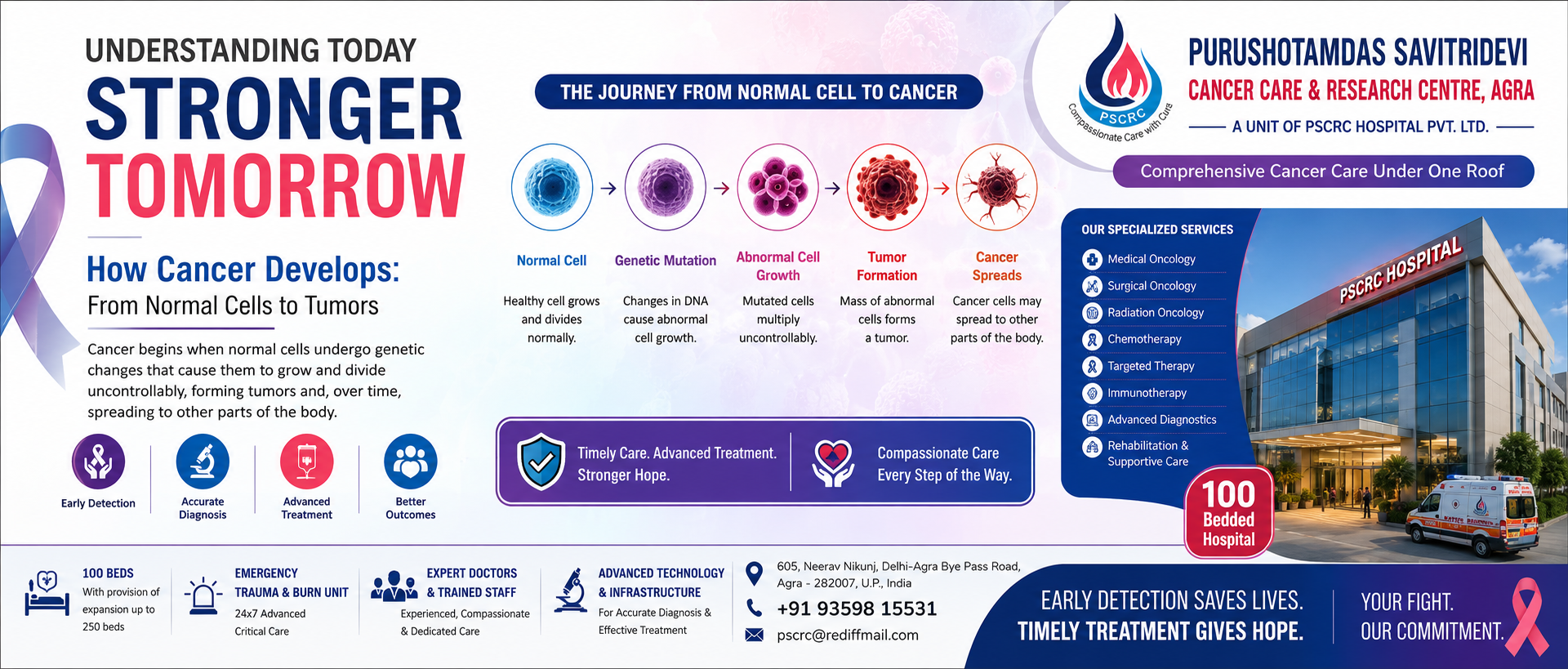
Cancer is one of the most challenging health conditions affecting millions of people worldwide. While many people have heard about cancer, understanding how it develops inside the body can help individuals recognize the importance of early diagnosis and timely medical intervention. Cancer does not appear overnight. It is usually a gradual process that begins with changes in normal cells and can eventually lead to the formation of tumors.
With growing awareness and advancements in medical science, access to quality cancer treatment has significantly improved. Specialized healthcare institutions now provide comprehensive services that help patients receive accurate diagnosis, effective treatment, and compassionate care throughout their journey.
Understanding Normal Cell Growth
The human body is made up of trillions of cells. These cells grow, divide, and die in a highly organized manner. Healthy cells follow specific instructions contained within their DNA. These instructions regulate when a cell should grow, divide, repair itself, or die.
When cells become old or damaged, the body naturally replaces them with new healthy cells. This process helps maintain normal functioning of organs and tissues.
However, problems arise when genetic mutations occur within a cell's DNA. These mutations can disrupt the normal control mechanisms that regulate cell growth and division.
What Causes Cells to Become Cancerous?
Cancer begins when changes occur in the genes responsible for controlling cell behavior. These genetic changes may develop due to several factors, including:
- Tobacco use
- Excessive alcohol consumption
- Exposure to harmful chemicals
- Radiation exposure
- Certain infections
- Family history and inherited genetic conditions
- Unhealthy lifestyle habits
Once these mutations accumulate, cells may begin multiplying uncontrollably. Unlike normal cells, cancer cells do not respond to the body's natural signals that tell them to stop growing.
This is where the need for specialized cancer treatment agra facilities becomes important, as early detection of abnormal cell growth can significantly improve treatment outcomes.
From Abnormal Cells to Tumors
As cancer cells continue multiplying, they form a mass of tissue known as a tumor. Tumors are generally classified into two categories:
Benign Tumors
Benign tumors are non-cancerous growths. They usually remain localized and do not spread to other parts of the body. While they may sometimes require treatment, they are generally less dangerous.
Malignant Tumors
Malignant tumors are cancerous and can invade nearby tissues. These tumors have the ability to spread through the bloodstream or lymphatic system, a process known as metastasis.
Once cancer spreads, treatment becomes more complex, making early diagnosis and prompt cancer treatment extremely important.
How Cancer Spreads in the Body
Cancer cells can break away from the original tumor and travel to distant organs. For example, breast cancer cells may spread to the lungs, liver, or bones. Even after spreading, the cancer retains its original identity.
Metastatic cancer often requires a combination of treatments, including surgery, chemotherapy, radiation therapy, targeted therapy, and immunotherapy.
Patients seeking advanced care often search for the best cancer hospital agra to access comprehensive diagnostic and treatment services under one roof.
Importance of Early Detection
One of the most effective ways to improve survival rates is through early detection. Many cancers can be treated successfully when diagnosed in their initial stages.
Warning signs may include:
- Unexplained weight loss
- Persistent fatigue
- Unusual lumps or swelling
- Changes in bowel or bladder habits
- Persistent cough
- Abnormal bleeding
- Difficulty swallowing
Regular health check-ups and screenings play a vital role in identifying cancer before symptoms become severe.
Modern Approaches to Cancer Treatment
Today, medical science offers several advanced treatment options based on the type and stage of cancer.
Surgery
Removes cancerous tissue from the body.
Chemotherapy
Uses medicines to destroy cancer cells or stop their growth.
Radiation Therapy
Employs high-energy radiation to target cancer cells.
Targeted Therapy
Focuses on specific molecules involved in cancer growth.
Immunotherapy
Strengthens the body's immune system to fight cancer.
The availability of these advanced options at a trusted cancer hospital can greatly improve patient outcomes and quality of life.
Comprehensive Cancer Care in Agra
When it comes to receiving specialized cancer care, Purushottamdas Savitridevi Cancer Care & Research Centre (PSCRC), Agra, has established itself as a trusted healthcare institution dedicated to providing high-quality and affordable medical services.
Located at:
605, Neerav Nikunj, Delhi-Agra Bye Pass Road, Agra - 282007
Purushottamdas Savitridevi Cancer Care & Research Centre is a 100-bedded hospital established by Dr. Sandeep Agrawal with the mission of delivering comprehensive medical care of the highest standards at an affordable cost to a wider section of society.
The hospital is strategically situated at one of the most accessible locations in Agra and serves communities residing within Agra and up to 100 kilometers around the city.
Incorporated as a Private Limited Company under the Companies Act, the institution is equipped with highly advanced medical facilities, qualified specialists, and trained nursing staff. The hospital includes:
- 100 operational beds
- Emergency Care Unit
- Trauma Care Unit
- Dedicated Burn Unit
- Advanced Diagnostic Facilities
- Provision for future expansion up to 250 beds
Patients looking for a reliable cancer hospital near me often choose PSCRC because of its patient-focused approach, experienced medical professionals, and modern treatment infrastructure.
For more information about hospital facilities, visit:
For additional information about cancer awareness and prevention, visit:
Conclusion
Cancer develops through a complex process that starts with changes in normal cells and may eventually lead to tumor formation. Understanding how cancer begins and progresses highlights the importance of early diagnosis, regular screenings, and timely medical intervention.
Access to advanced cancer treatment agra services can make a significant difference in patient outcomes. Choosing the best cancer hospital agra ensures that patients receive comprehensive care, modern treatment options, and continuous support throughout their recovery journey. With dedicated institutions like Purushottamdas Savitridevi Cancer Care & Research Centre, patients and families can find trusted medical care close to home while benefiting from advanced facilities and experienced healthcare professionals.